
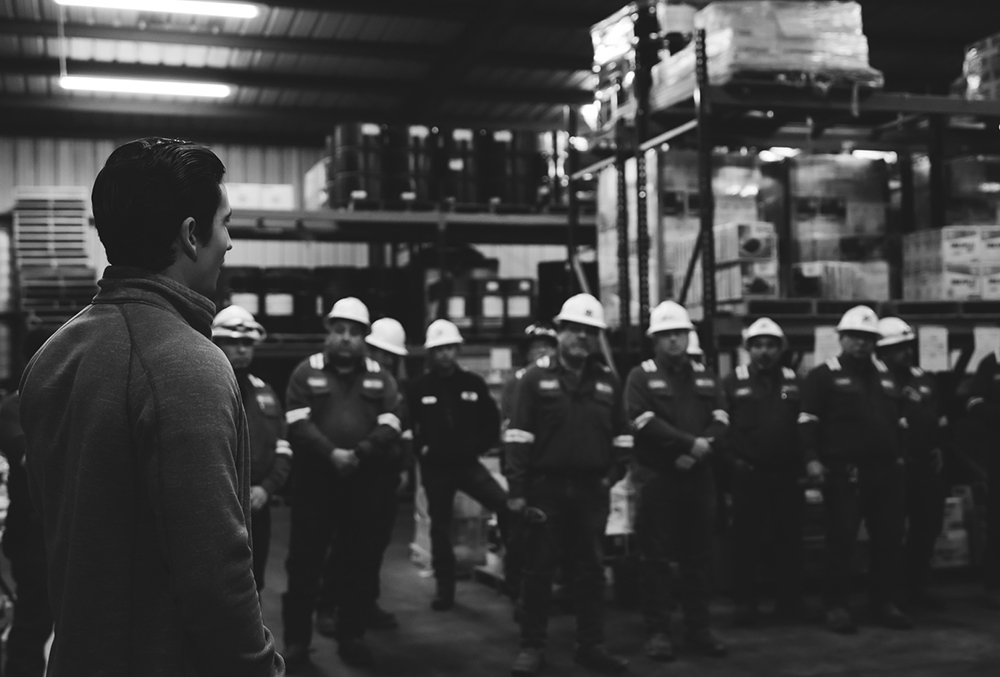
In the fuel and logistics industry, customers seldom see the operational complexity required to deliver consistent results at scale.
Most people only see the final step: a truck arrives, fuel is delivered, and operations proceed.
They do not see the extensive preparation required to ensure each delivery is reliable, compliant, and on time.
Each successful delivery relies on a coordinated system that includes dispatch, inventory management, compliance, routing, driver communication, terminal coordination, and contingency planning. Reliable execution requires hundreds of correct decisions daily, often under pressure and changing conditions.
This reality is seldom discussed, yet it distinguishes average providers from trusted operational partners.
Fuel Delivery Is More Complex Than Most Realize
Fuel logistics involves more than transportation. It is a continuous process requiring coordination across teams, systems, and environments.
Dispatchers monitor schedules, customer needs, shipment timing, and route efficiency in real time. Drivers manage safety, compliance, equipment inspections, and communication throughout the day. Inventory teams track supply levels to help customers avoid shortages or downtime. Terminals coordinate loading schedules, while operations teams prepare for delays from weather, traffic, equipment issues, or supply disruptions.
A single communication breakdown can quickly cause operational issues.
Reliable fuel companies value preparation, responsiveness, and operational discipline well before a truck arrives at the customer site.
Why Fuel Failures Happen
Most operational failures are not caused by one catastrophic event.
Failures typically start with small issues that compound over time.
Poor communication between teams. Reactive scheduling. Lack of inventory visibility. Delayed dispatch decisions. Weak contingency planning. Inconsistent follow-through. Limited operational oversight.
When these issues accumulate, customers face delays, interruptions, or uncertainty that directly impact their operations.
In industries such as transportation, oil and gas, construction, aviation, agriculture, and industrial operations, brief disruptions might affect productivity, timelines, staffing, and customer commitments.
Reliable logistics requires more than equipment and fuel. It depends on disciplined systems and experienced personnel who can operate under pressure.
What Customers Never See
Customers seldom see the behind-the-scenes planning that prevents problems before they happen.
They do not see late-night dispatch adjustments to prevent morning disruptions, teams coordinating alternate supply during terminal delays, or real-time route changes due to weather, traffic, or shifting demand.
Leading fuel logistics companies dedicate significant effort to solving problems customers never encounter.
This is a clear indicator of operational maturity.
At ARG Petro, we believe operational transparency is essential because customers deserve to understand what reliable execution requires. Our responsibility goes beyond fuel delivery to helping customers reduce downtime, avert disruptions, and operate with confidence.
Operational Discipline Creates Trust
Marketing can create awareness.
Execution creates trust.
In the fuel and logistics industry, customers value providers who communicate clearly, respond promptly, adapt under pressure, and consistently follow through even in challenging operations.
This level of reliability is achieved via disciplined operations, experienced teams, accountability, and a culture of ownership, not through slogans or advertising.
Execution matters long before the truck arrives on site.
That is where reliable partnerships are built.